

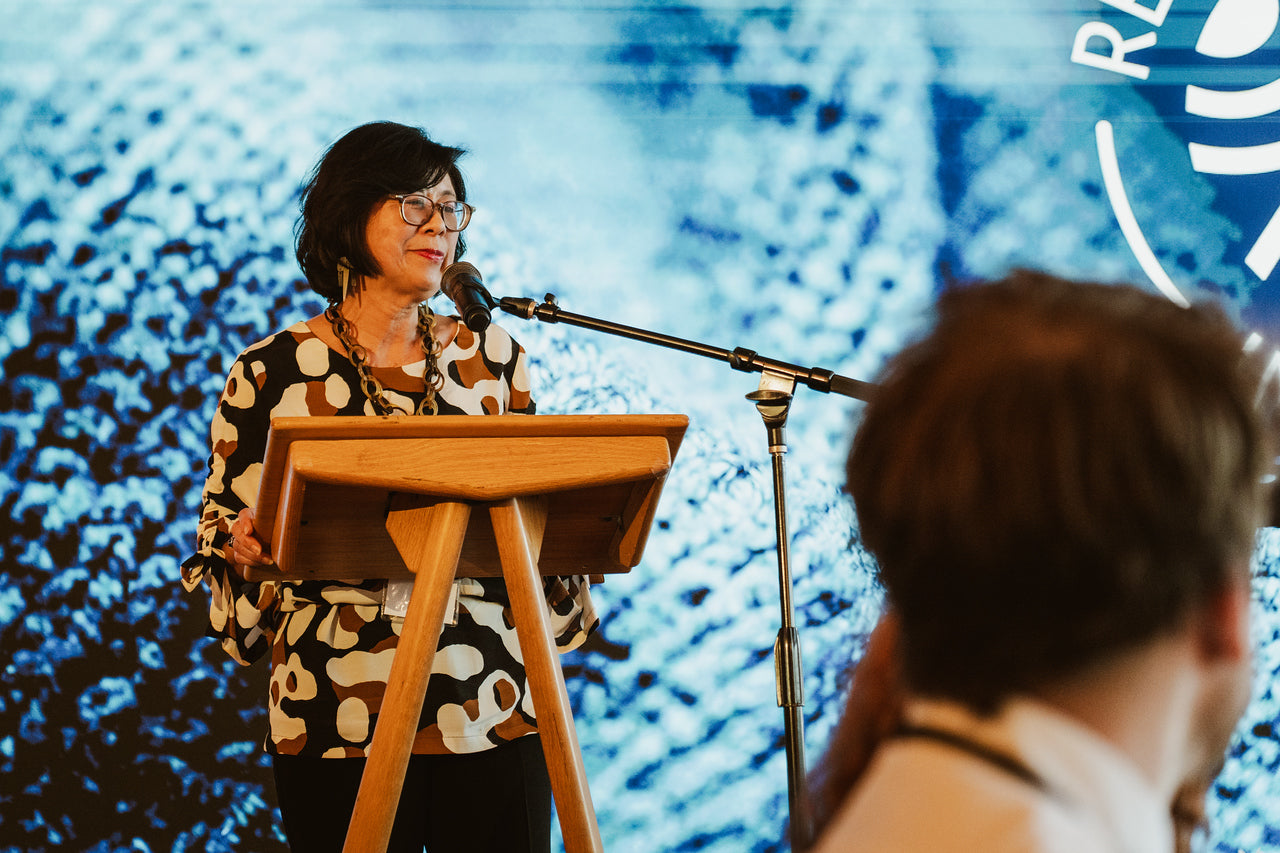

A Conversation with Yumiko Damashek, RAI Board Member & Immediate Past President
Yumiko came to the United States from Japan as a graduate student in the early 1980s. After facing struggles as an immigrant in a new country, she landed a position in the semiconductor industry and successfully climbed up the corporate ladder all the way to executive leadership, breaking glass ceilings along the way.
A purpose-driven leader with a passion in racial, gender and social justice, Yumiko has led women’s career development, leadership development and DEI and ESG sustainability programs in a variety of settings. Since retiring, she has served on multiple nonprofit boards whose missions are to improve the lives of under-served segments of our population.
Yumiko understands the difficulties refugees and immigrants face, particularly women, and is honored to help transform their lives through the work she gets to do at RAI. She has served on the Board since 2020 and is the Immediate Past President—Former Board Chair.
What first attracted you to RAI and made you want to get involved?
I’m an immigrant myself, so I understand how difficult it is to integrate yourself into a new country. The language is different. The cultural norms are different. The systems are different. You have no network to rely on. But I’ve been very fortunate to have had many kind and wonderful mentors and advisors, who helped me throughout my career. I feel I owe much of my success to every one of them. I always wanted to be that kind of person, that resource, someone who was willing to help immigrants and refugees who are trying to get settled in this country.
Can you tell us more about RAI’s philosophy and approach?
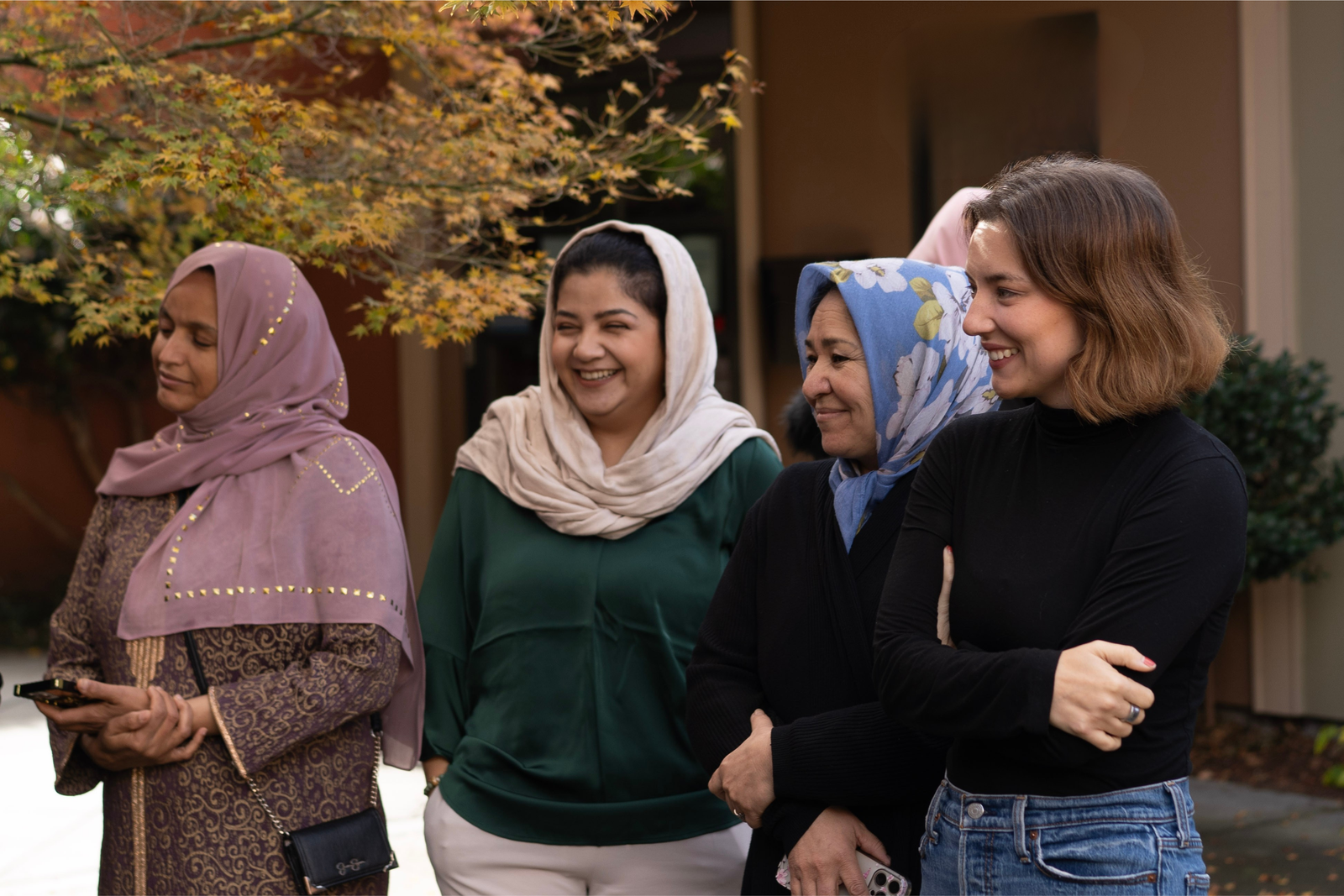
What I really love about RAI is that it helps immigrant and refugee women help themselves. We provide support and tools that help women become self-reliant and economically independent, which I strongly believe is the only way to get out of a generational and systematic cycle of poverty.
I always say that RAI invests in the women. We give them the support and teach them the skills they need to succeed. And they develop a newfound confidence and often transform themselves to new persons. They put food on the table for their families. They buy a car. They rent an apartment or make a down payment for a house. They start saving for their children’s education. All of these can be transformational in so many different ways. And we do it with sustainability in mind. It’s so great that we help reduce landfill by creating products with unwanted donated materials while creating job opportunities for immigrant and refugee women, and some of those products are helping our neighbors in need as well.
How do shared experiences connect the women of RAI?
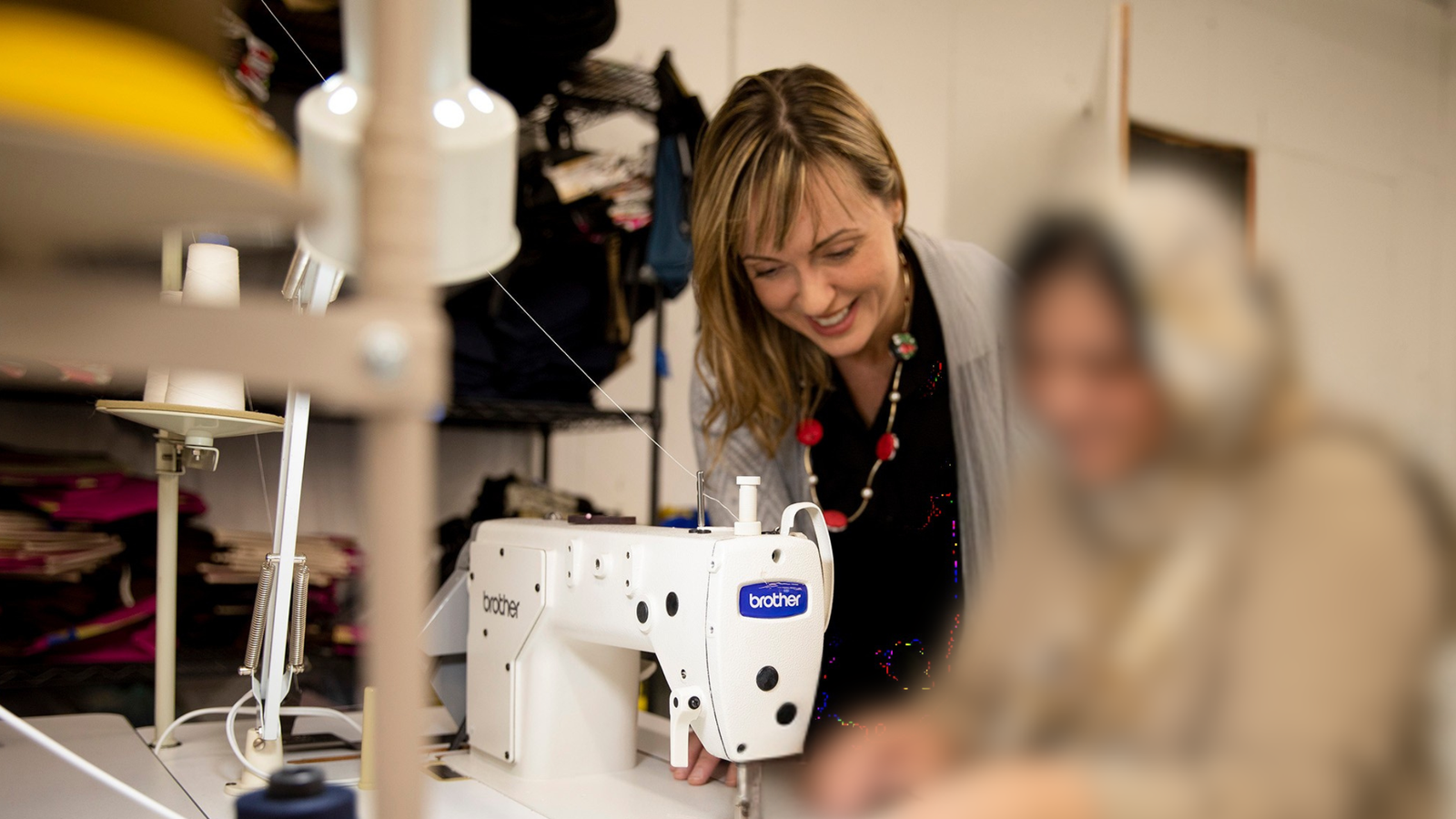
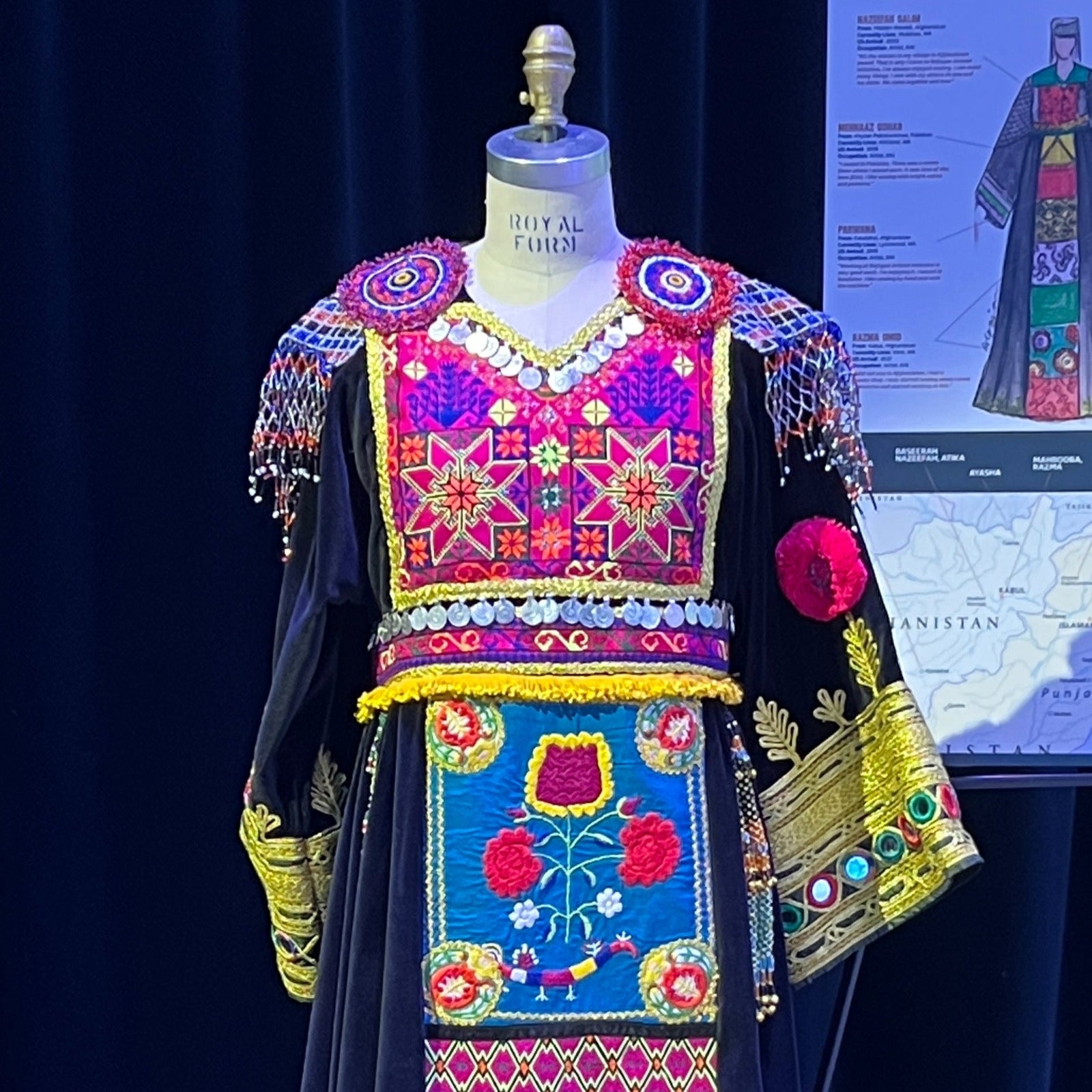
There’s a common thread, both literally and figuratively, that connects almost everyone at RAI. The majority of the artisans are trained seamstresses and use that skill to start down the path to economic independence. And everyone, including many of the staff, have the shared experience of being an immigrant or refugee. But what’s interesting about RAI, is that the women come from different countries, cultures and backgrounds, and they all bring a little something different with them to the table. So everyone shares and learns from each other and it creates this amazing and unique connection between us. It’s really beautiful to see everyone support each other and celebrate each other’s accomplishments.
I think it’s also important to point out that the mission of RAI isn’t to put immigrant and refugee women on a path that we have chosen for them. But rather, it’s to help them find their own path, their own success, whatever that might be. For some that might mean finding employment with a local company. For others, it might mean using the skills as a seamstress to start their own business. Our goal isn’t to keep them in the nest, it’s to encourage them to fly with their own wings.
Can you tell us more about your experience serving on the Board?
We have a wonderful Board that I’m deeply honored to be a part of. Everyone is highly accomplished in her own field and we are very active. No one is in it for the money—because we are all volunteers. There are no egos, no agendas. Everyone is dedicated to RAI’s mission of creating a platform where refugee and immigrant women can thrive. I also love diversity among the board members. Just like our artisans, we have diverse ethnic backgrounds and work experiences. That creates a conducive environment for well-rounded decision-making.
Making a leadership change is never easy, particularly when it involves a founder who worked so hard to build the platform and contributed so much to the success of the organization. All of us on the board felt it was a difficult decision. Throughout my career in management, I’ve seen numerous leadership transitions, sometimes initiated by the board, sometimes initiated by the leaders themselves, recognizing the changing needs themselves. In either case, the critical question to ask is, what is the best thing to do to ensure smooth and sustainable growth of the organization and to further the mission without compromising the values. We asked the same question to ourselves, too, and had a series of rigorous discussions internally as well as with other stakeholders. Our priority and focus were on the whole organization and the wellbeing of the women we serve.
What are your hopes for the future of RAI?
Our mission is so vital and there’s an acute and growing need for refugee and immigrant support. I hope that people will come together and support RAI, so that we can continue to make a difference for immigrant and refugee women in our community.
In addition, there are couple of things I would wish to see happen. One is to deepen our partnerships with businesses further and to integrate our activities into their supply chains. That is a “social procurement” movement that many businesses are beginning to take part in. I see it as a win-win for both parties. Businesses become a part of a solution for our social issues and our artisans find their career pathways through these partnerships. I believe businesses should focus not only on their financial results but also on the roles they could play to contribute to the society leveraging the power and assets they have.
From a management standpoint, it’s very exciting to see some of the women who began their careers at RAI growing into management roles and starting to lead the organization. They are becoming role models for new comers. I hope that someday RAI will be led by an immigrant or refugee woman who started with us. That would be inspirational.