

Refugee Artisan Initiative (RAI) was founded in 2017 in response to a growing need for meaningful, skill-based employment opportunities for refugee and immigrant women in the United States.
Many women arrive with deep technical skill, cultural knowledge, and creativity, yet face systemic barriers to employment. RAI exists to partner with women artisans, remove those barriers, and support economic mobility through dignified, sustainable work.
From the beginning, RAI has believed that handmade work is not only a means of income—but a pathway to independence, confidence, and community connection.
Refugee Artisan Initiative (RAI) was founded in 2017 in response to a growing need for meaningful, skill-based employment opportunities for refugee and immigrant women in the United States.
Many women arrive with deep technical skill, cultural knowledge, and creativity, yet face systemic barriers to employment. RAI exists to partner with women artisans, remove those barriers, and support economic mobility through dignified, sustainable work.
From the beginning, RAI has believed that handmade work is not only a means of income—but a pathway to independence, confidence, and community connection.
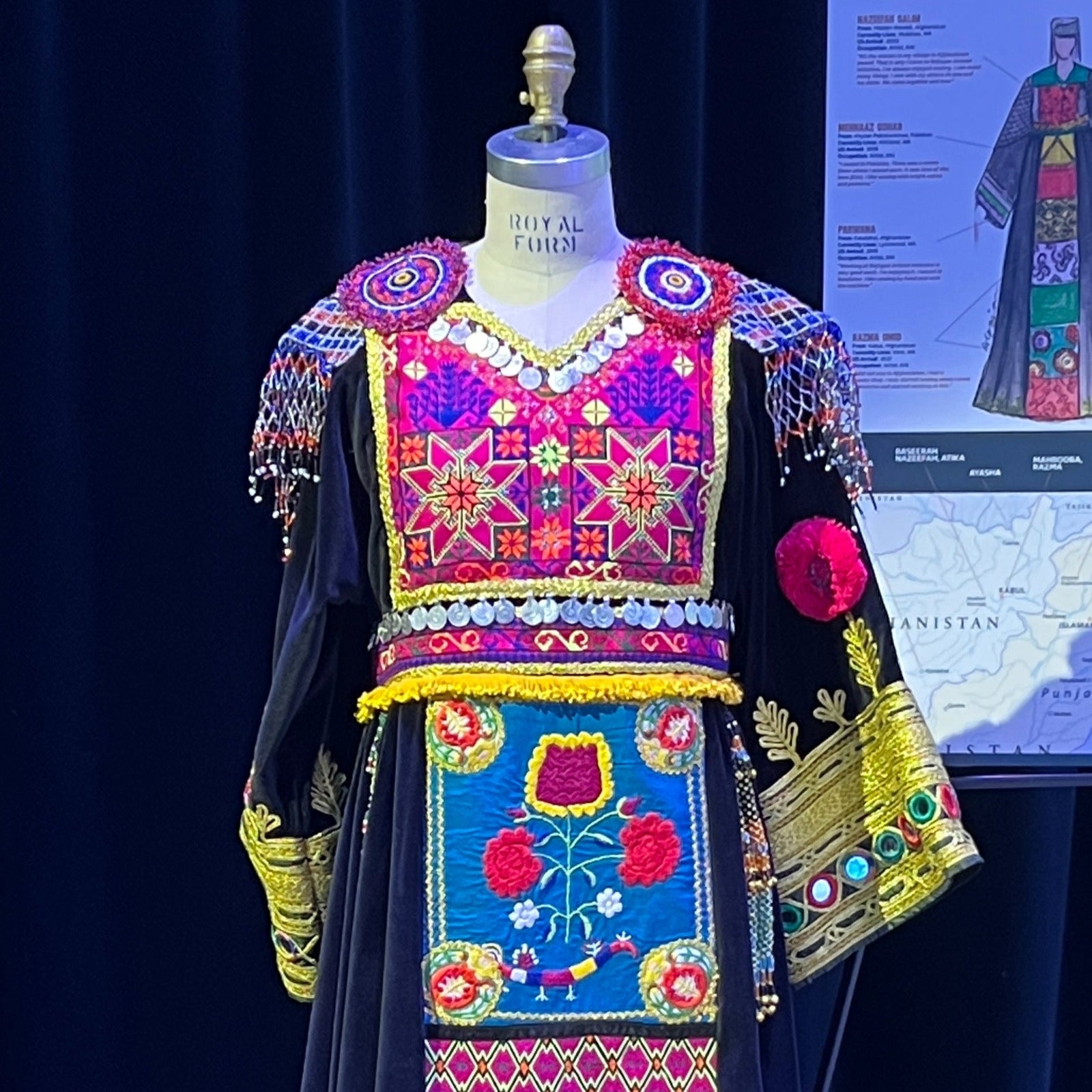
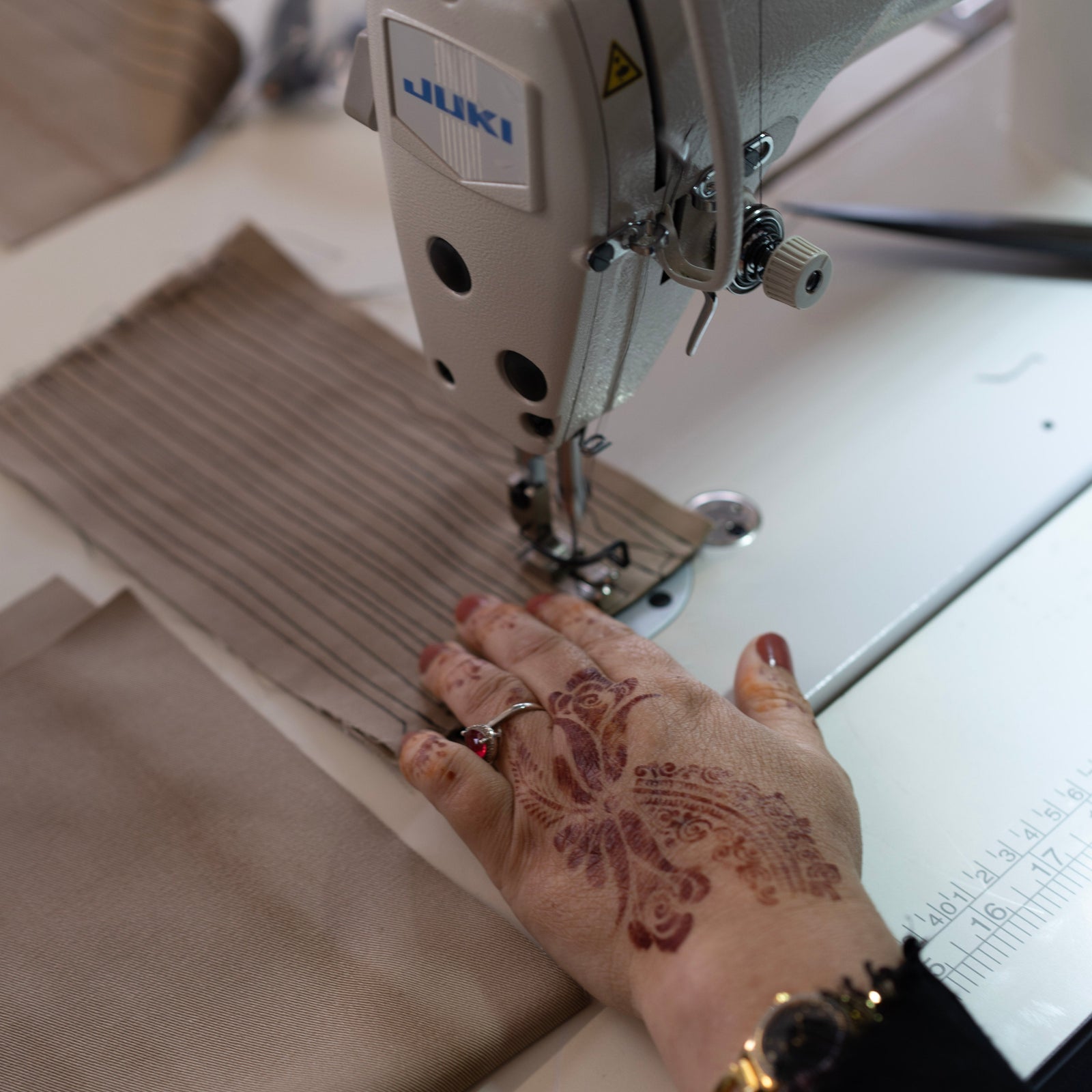
RAI was shaped by an appreciation for sewing as both a practical skill and a cultural tradition—one often passed down through generations of women.
Across many cultures, sewing has long been a way for women to support their families, preserve heritage, and build self-reliance from home-based work. That understanding continues to inform RAI’s approach today: honoring the skills women bring with them while creating opportunities to grow, adapt, and thrive in a new environment.
What began as a small, community-based effort quickly grew into a formal nonprofit as demand increased and partnerships expanded. RAI was founded in 2017 by Ming-Ming Tung-Edelman, who recognized the opportunity to support refugee and immigrant women through skill-based work and economic empowerment. Her early vision helped lay the foundation for the programs and partnerships that continue to define RAI today. As global crises brought refugee and immigrant women to the U.S. in record numbers, RAI evolved to meet the moment—building programs that center partnership, fair pay, and long-term opportunity.
As global crises brought refugee and immigrant women to the U.S. in record numbers, RAI evolved to meet the moment—building programs that center partnership, fair pay, and long-term opportunity.
Today, RAI is a Seattle-based nonprofit working alongside refugee and immigrant women artisans to create durable, one-of-a-kind products while advancing a more circular, waste-free future.
RAI was shaped by an appreciation for sewing as both a practical skill and a cultural tradition—one often passed down through generations of women.
Across many cultures, sewing has long been a way for women to support their families, preserve heritage, and build self-reliance from home-based work. That understanding continues to inform RAI’s approach today: honoring the skills women bring with them while creating opportunities to grow, adapt, and thrive in a new environment.
What began as a small, community-based effort quickly grew into a formal nonprofit as demand increased and partnerships expanded. RAI was founded in 2017 by Ming-Ming Tung-Edelman, who recognized the opportunity to support refugee and immigrant women through skill-based work and economic empowerment. Her early vision helped lay the foundation for the programs and partnerships that continue to define RAI today. As global crises brought refugee and immigrant women to the U.S. in record numbers, RAI evolved to meet the moment—building programs that center partnership, fair pay, and long-term opportunity.
As global crises brought refugee and immigrant women to the U.S. in record numbers, RAI evolved to meet the moment—building programs that center partnership, fair pay, and long-term opportunity.
Today, RAI is a Seattle-based nonprofit working alongside refugee and immigrant women artisans to create durable, one-of-a-kind products while advancing a more circular, waste-free future.