


A Conversation with Tessa Hall, Economic Mobility Manager at Refugee Artisan Initiative.
Before joining RAI, Tessa worked in Seattle’s Lake City neighborhood, helping small businesses thrive and promoting community building through economic development. She is excited to continue serving this vibrant community, especially the women who are building lives and businesses through RAI’s mission.
Tell us more about your role at RAI.
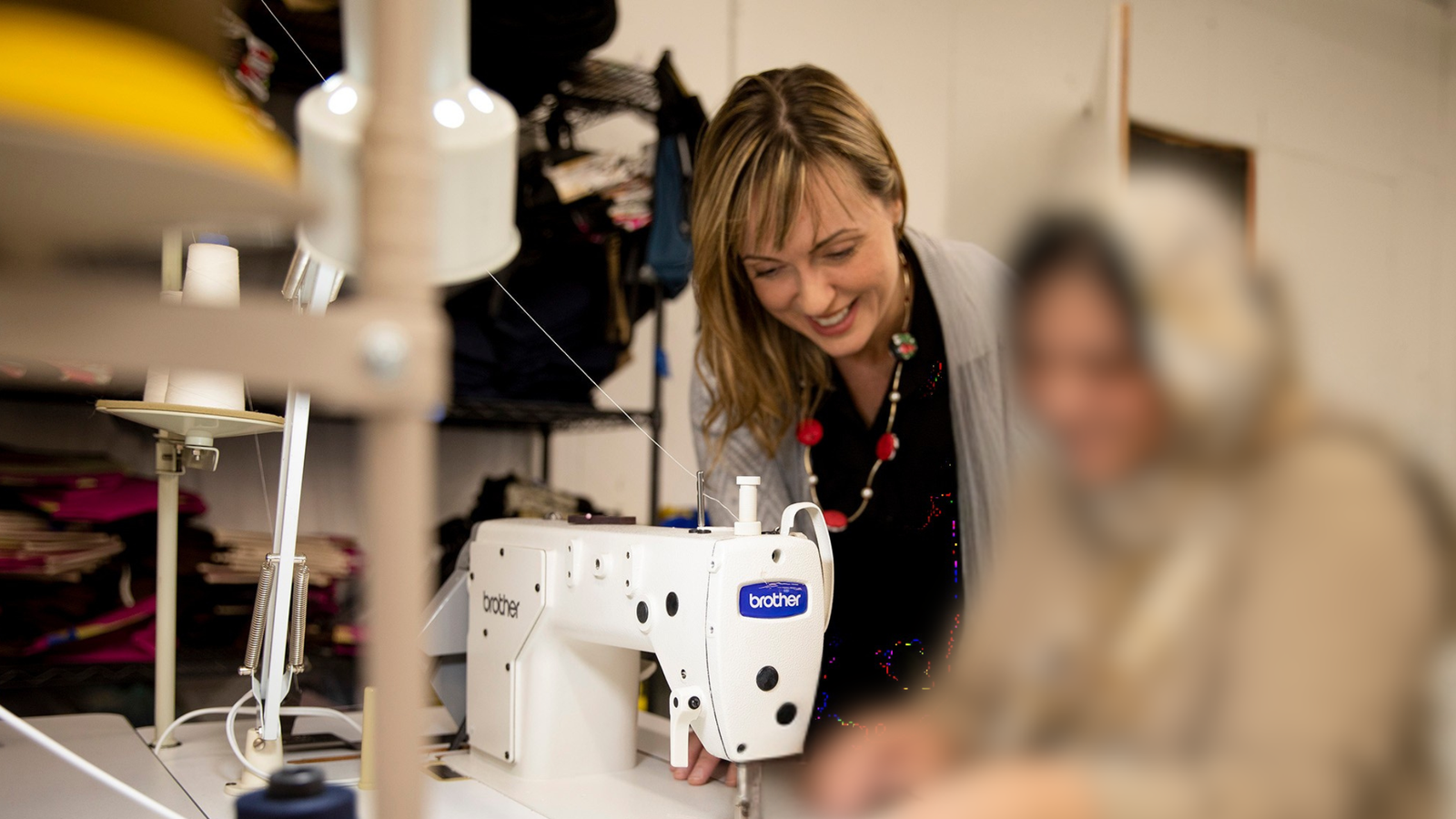
Community and micro business management means that I'm working with local employers to find job placement spots for our artisans and also helping women create their own small businesses. That could be a full-time job or contract work using their sewing skills, a jewelry or fiber arts business, a cleaning service or selling food at a farmers market. Everyone has their own path. Some are looking for flexibility and ways to earn extra income that they can fit around their family responsibilities. Others are looking for stability with something more permanent.
How do you balance shared experiences and different languages in the RAI community?
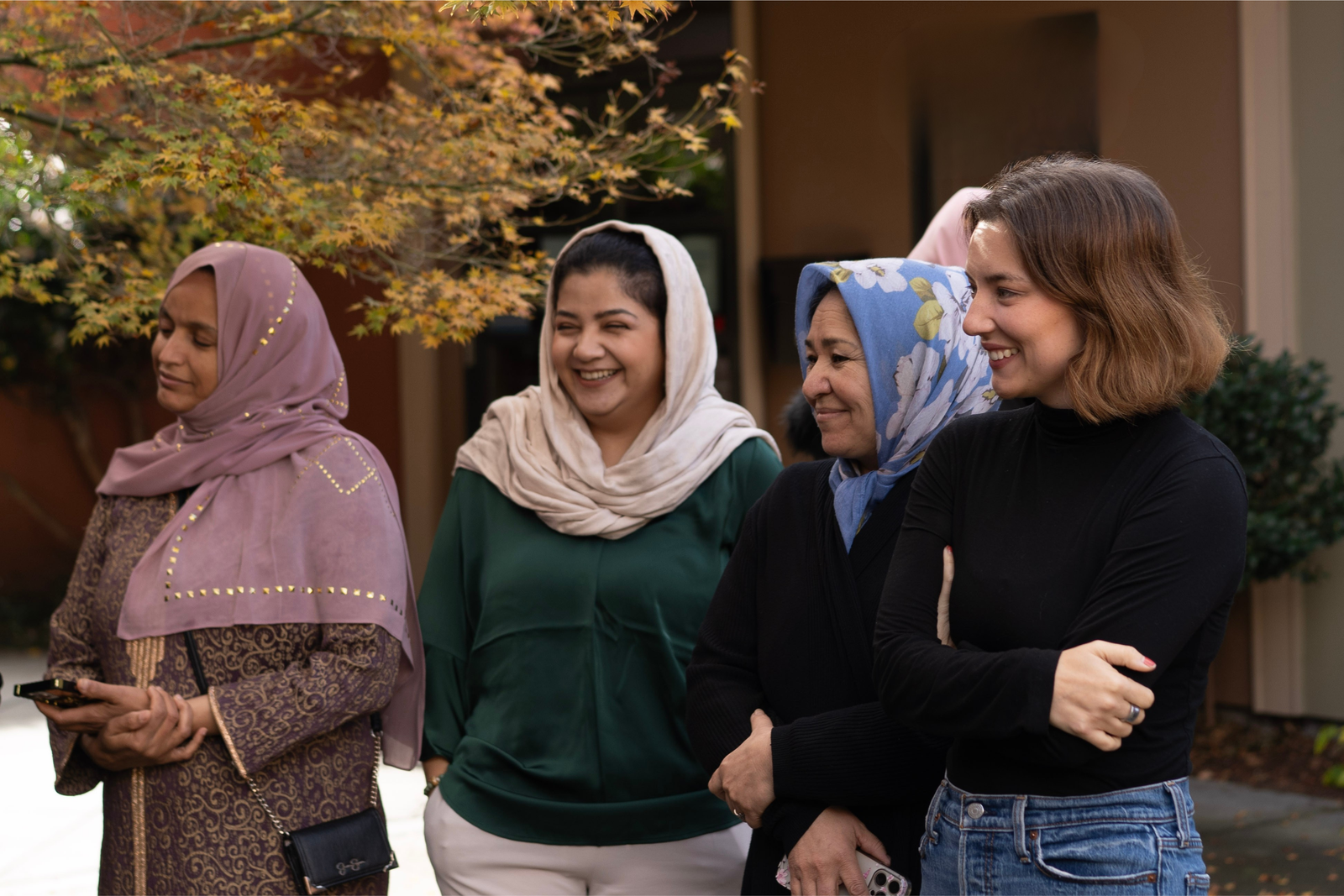
We have women from many different countries and cultures at RAI including Afghanistan, Pakistan, Ethiopia, Vietnam, Angola, to name just a few. Finding a common language can be a challenge. Almost everyone speaks at least little English and we use Google translate or other apps when we need to. And sometimes two women will both be able to speak a second language together, so they can translate and help each other out. It can be a lot of problem solving, but we find a way to make it work.
We also have English classes on Monday and Fridays where the women take turns bringing in a meal from their home country. So they talk about the dish they’ve prepared and share something about themselves and their culture. It’s a great way to practice English and build friendships. And the food is incredible!
What skills are the women learning at RAI?
It’s really a mix of hard and soft skills. The sewing skills are what earns money and creates financial independence, which is critical. But the soft skills are just as important. The importance of showing up on time, how you talk with your manager, what customer service looks like, how you interact as part of a team. All of these skills are tremendously important for achieving long-term success, both at RAI and in their next job in the larger community.
What are some of the things you do to help women find employment?
We have a WhatsApp group for anyone who's interested in looking for employment. Every week, I look up sewing jobs within 20 miles of Seattle and I send all the updated postings to the group. I also promote employment workshops at North Seattle College and other organizations. In addition, I do a lot of hands-on work helping people with resumes and applying for jobs.
My goal is to present a steady stream of opportunities, so that when someone is ready to take the next step, they feel prepared and know how to move forward.
What inspires you about your work with RAI?
One of the things I think is super powerful is the pride people feel when they do something for the first time. Maybe it's learning a new skill or bringing home your first paycheck. Being able to work and making their own money gives them so much dignity, pride and confidence. It’s so great to see that transformation!
What are your hopes for the future of RAI?
I hope that we can continue to serve immigrant and refugee women deeply and broadly. To offer more services to more women, and get more people off the wait list and into our programs. I’m also very excited to move into our new space and have it be more open to the public, so that more people can learn about RAI and the amazing women we serve.