

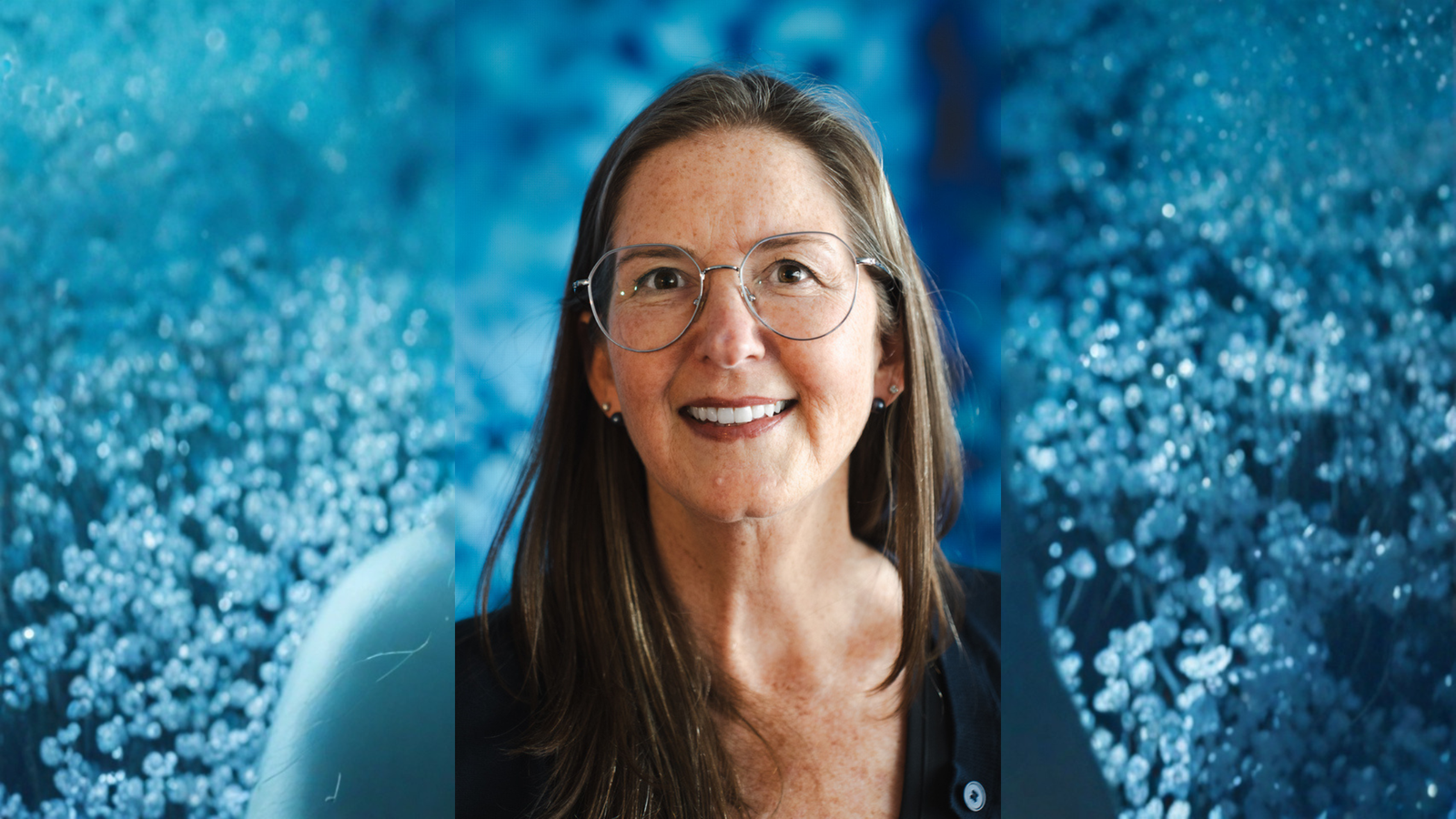

A Conversation with Hayden Bixby, a former Board Member at Refugee Artisan Initiative.
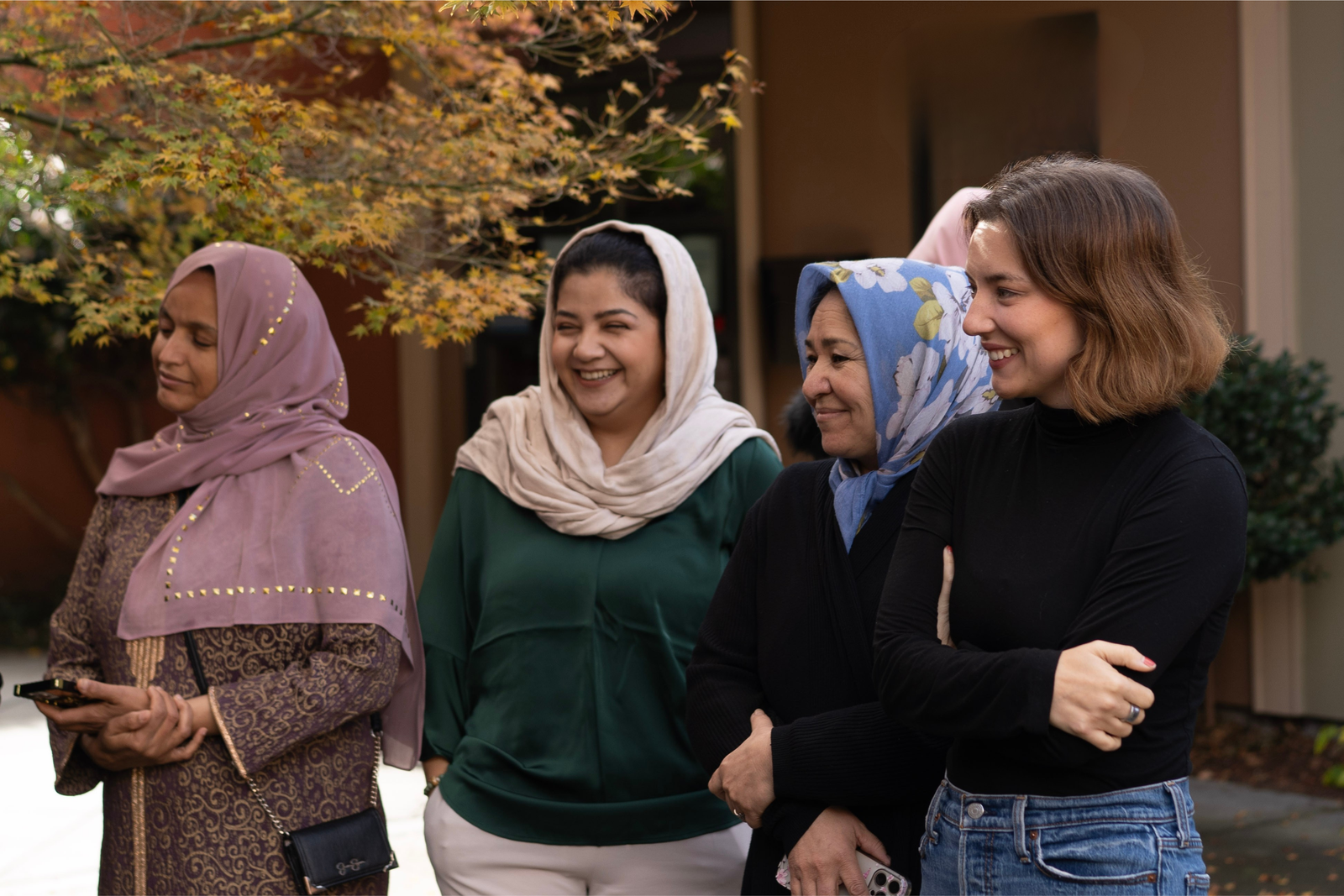
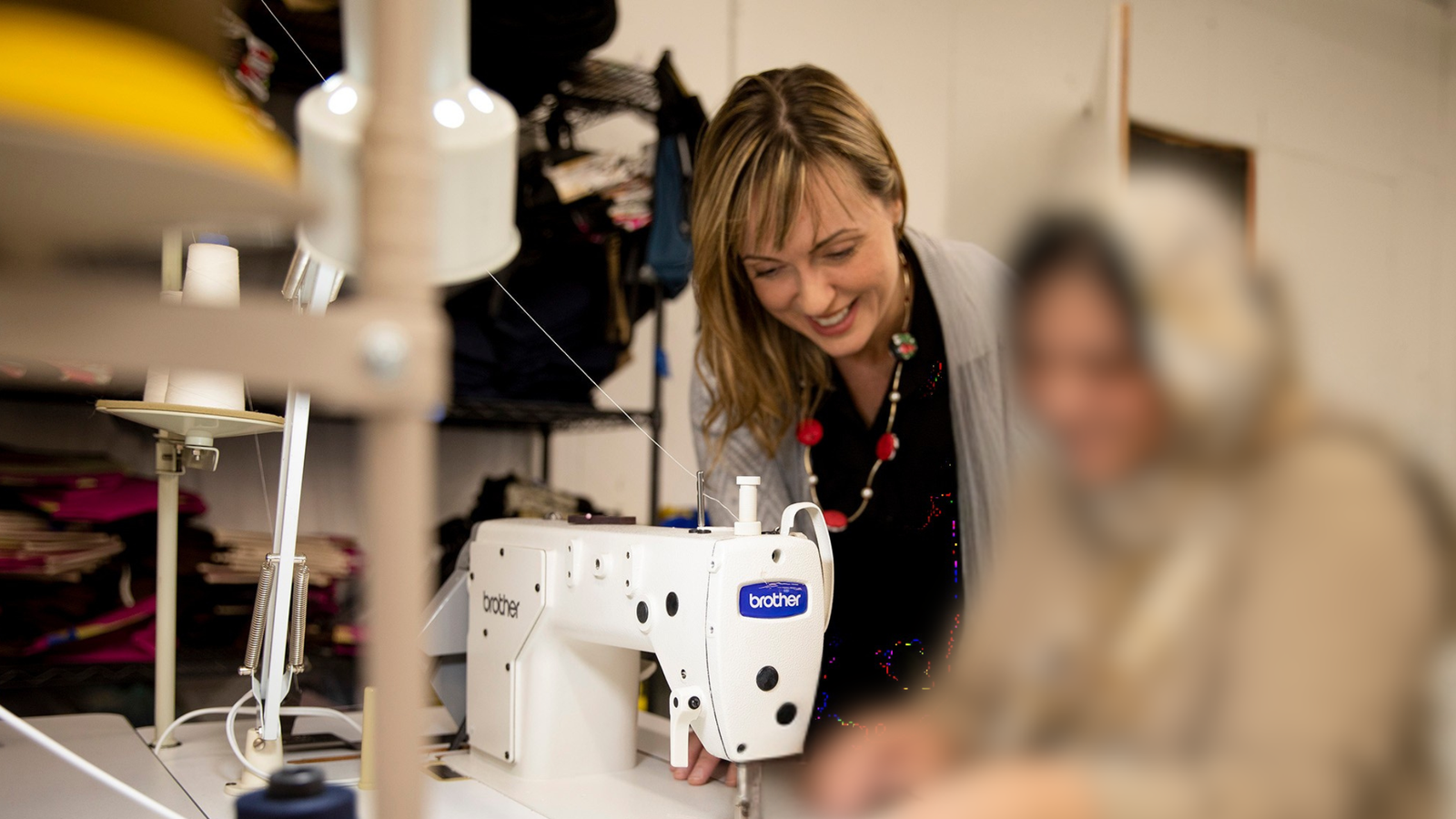
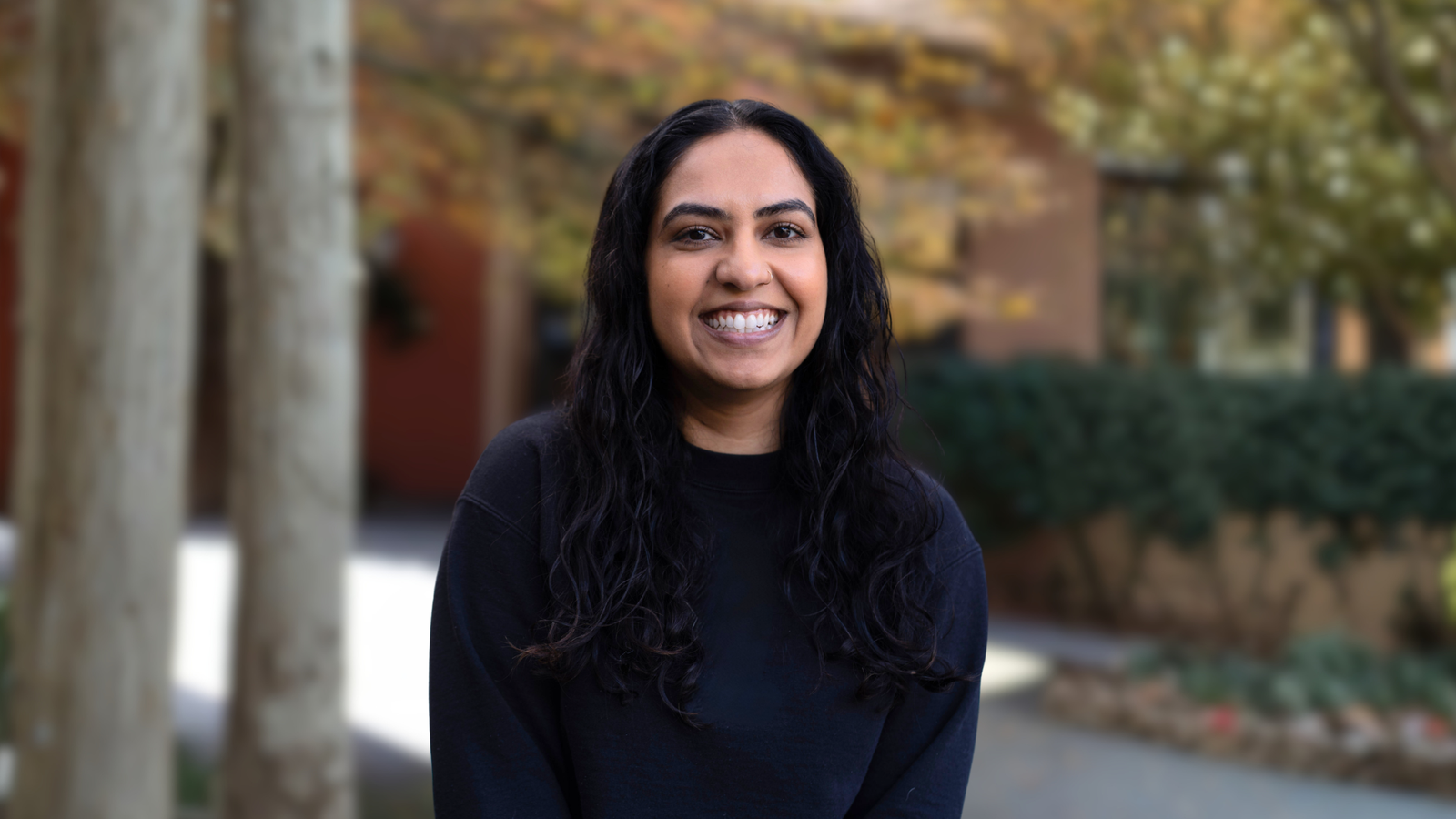
Hayden came to RAI through her desire to be active in the Lake City community while she was still a member of the tenured English faculty at Edmonds College. She has since retired, but retains the deep commitment to education, mentorship and diversity initiatives that inspired that career. Her current work is in property management, which allows her to work from her laptop—often from Kenya, where she has spent the last 20 years as the International Program Director for Cura Orphanage.
Why is your work with refugees and immigrants so important to you?
Whenever I hear myself regularly complaining about something I don’t like, I know that’s my cue to start looking for a way to get involved and do something positive to address the problem. During the first Trump administration, I felt strongly that the way our country was treating immigrants, refugees and asylum seekers was not representing me. I was doing a lot of volunteering work in Africa, but wanted to do something that helped people closer to home. I very much wanted to serve immigrants and refugees and give them a warm welcome and easy transition to the U.S. Working with RAI aligns my politics and efforts.
How did you first get involved with RAI?
Since I was in college, I’ve been very involved in international volunteer work, a lot of which has been in Kenya. I was looking for ways to get involved closer to home and a friend of mine told me about a nonprofit in Lake City that was preparing for growth and needing to formalize its structure. So I became the governance chair for RAI’s first formal board and led our efforts to create the policies, committees and framework we needed to grow and be in compliance with some of the grants we were pursuing. I was inspired by RAI’s mission, and amazed by the synchronicity of finding an opportunity to serve refugee women in such a direct and meaningful way, right in my beloved 98125 zip code.
Why do you think RAI and Lake City are such a good fit?
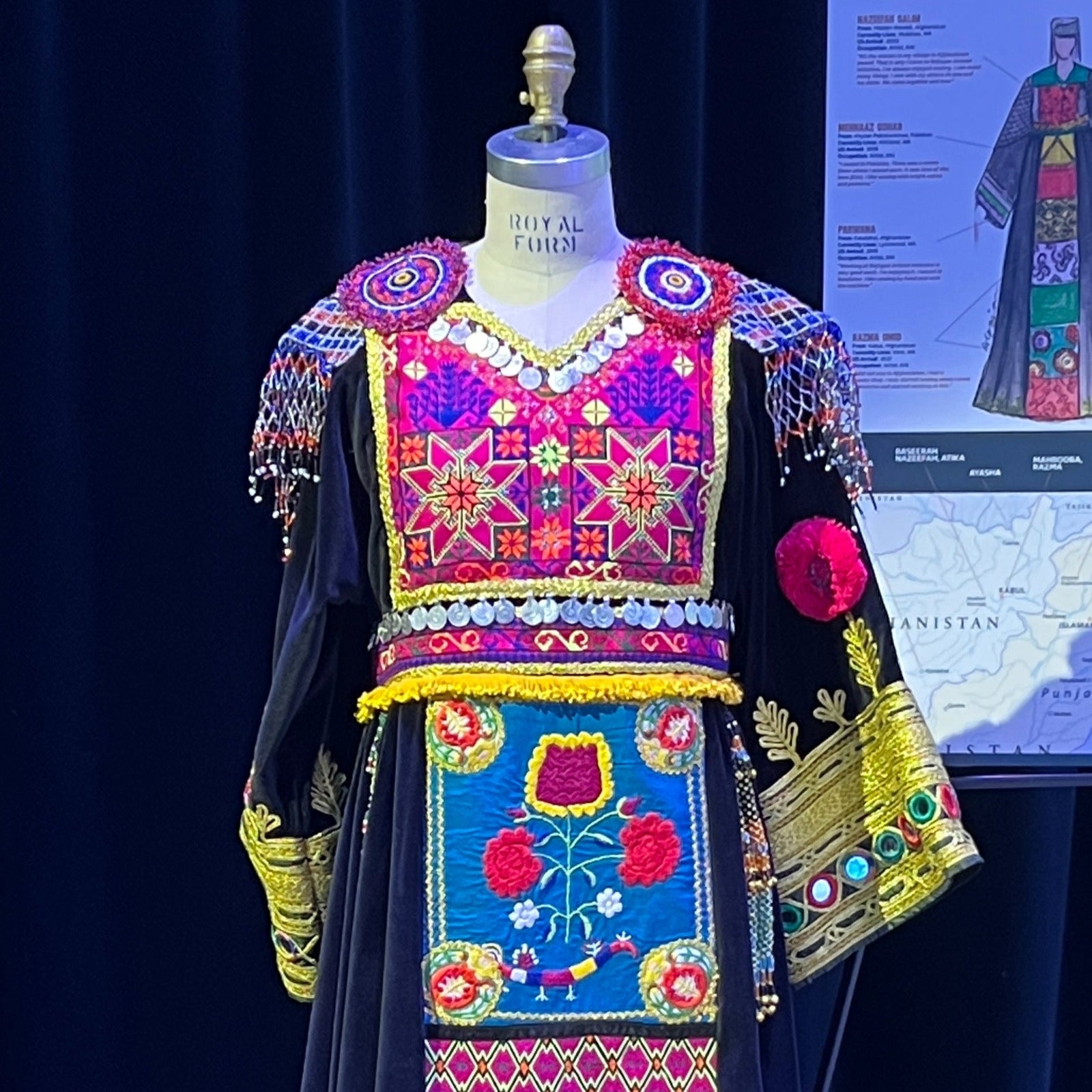
Lake City is a scrappy, gem of a neighborhood that’s one of Seattle’s most diverse zip codes. It has a large immigrant population, there’s so many different languages spoken there. It’s also very entrepreneurial and has long history of manufacturing up and down its main business corridor. To me, Lake City is always on the verge of something happening, but somehow still a little bit on the margins as well. So I think there’s something really perfect about a group of immigrant women making things with their hands, supporting their families with a really hopeful vision of the future. It just seems like it’s a very poetic match.
How do you envision the future for RAI in Lake City?
My office is right across the street from RAI’s new space. I’m excited about the idea of RAI being a cultural hub for Lake City. I think they can be an inspiration and springboard for each other. I’d love to see Lake City recognized as an arts and cultural district and RAI being a centerpiece of that. I want Lake City to embrace RAI as its own and feel invited and inspired by all of the great things we’re doing.
What stands out in your experience as a RAI Board member?
RAI takes on courageous, creative, ambitious ideas, and this is only right, since RAI's artisans and their families are also all of those things. I am proud of having provided six years of offsetting consistency, stability and infrastructure. Without the policies and practices the Board put in place over that time to ensure RAI’s organizational health, we would not have been eligible for many of the grants and funding we were awarded—and wouldn't have the kinds of crucial scaffolding that now supports the staff and artisans' excellent work. I love that in six years RAI can claim both big, splashy accomplishments and quiet, wonky procedural ones that will work together to ensure its longevity.